
The Evolution of Western Apparel: From Classic to Contemporary
Western apparel has been a fascinating blend of tradition and innovation, capturing the spirit of the American frontier while adapting to contemporary fashion trends. In this blog, we will explore the rich history of western clothing, examining how styles have transformed from classic cowboy attire to the modern interpretations we see today.
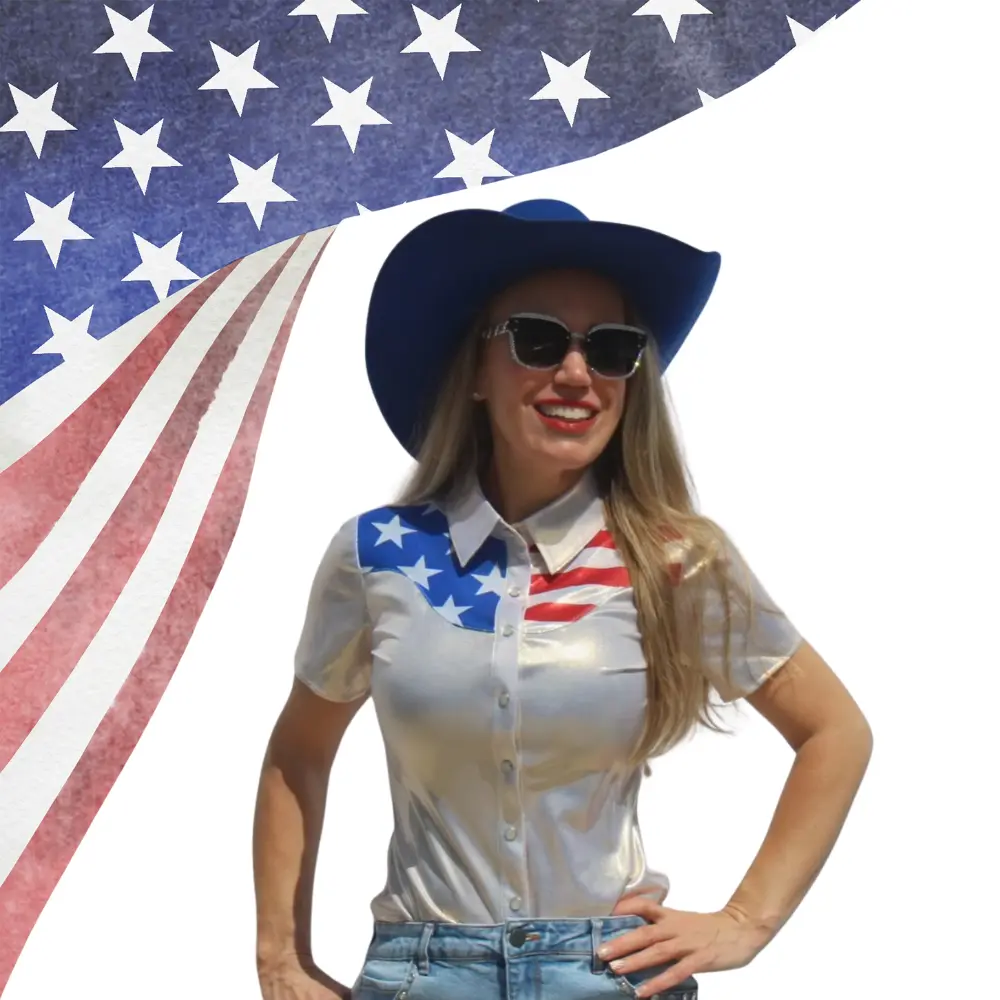
The Roots of Western Apparel
To understand the evolution of western apparel, we first need to delve into its origins. The clothing of early cowboys and settlers was practical, designed for hard work and the rugged landscape they navigated. This section will explore the key pieces that defined this period, such as denim jeans and leather boots, and how they laid the foundation for future trends.
Denim jeans, originally created for miners in the 19th century, soon became synonymous with cowboy fashion. Their durability made them the ideal choice for those who spent hours on horseback, wrangling cattle and navigating rough terrain. But they weren’t alone; alongside jeans, cowboy hats emerged as iconic symbols of the American West, providing much-needed protection from the sun and becoming a staple accessory. Together, these pieces tell a powerful story of resilience and practicality that resonates even today.
As we dig deeper, it’s fascinating to note how the materials used in these garments spoke volumes about the environment and lifestyle of those early days. Leather, for instance, was favored not just for its durability, but also as a reflection of the lifestyle that married function with rugged charm. These foundational elements of western apparel laid the groundwork for styles that continue to evolve but maintain a connection to their historical roots.
The Golden Age of Western Wear
The early to mid-20th century marked a golden age for western wear, influenced heavily by Hollywood and country music stars. Iconic pieces like fringed jackets and bolo ties became popular, reflecting a blend of authenticity and glamour. We’ll look at how media representations shaped public perception and popularity of western apparel during this era.
One cannot discuss this period without mentioning the impact of films like ‘Stagecoach’ and the rise of Western television series. These productions not only showcased the allure of the cowboy life but also introduced millions to the distinctive styles associated with it. Suddenly, the streets mirrored the scenes of cinema, as fans of the genre sought to emulate their on-screen heroes by donning cowboy boots and ranch-style shirts.
Moreover, as country music gained traction, artists such as Johnny Cash and Dolly Parton adorned themselves in western attire that resonated deeply with their audiences. Fashion became an extension of identity, invoking both nostalgia and a sense of pride in American heritage. The crossover between entertainment and everyday style emphasized how western apparel transcended mere utility, evolving into a cultural phenomenon.
This golden age laid the groundwork for future trends by weaving western wear into the fabric of American pop culture, making it a symbol of freedom and rugged individuality. Even today, we see echoes of this era in modern fashion, reminding us of the timeless nature of these styles that continue to emerge from the dusty trails of history.
Modern Interpretations of Classic Styles
As we moved into the 21st century, western apparel began to undergo significant transformations. Designers started to incorporate western elements into high fashion, blending traditional styles with contemporary aesthetics. This section will highlight notable trends and designers who effectively bridge the gap between heritage and modernity.
Take, for example, the work of contemporary designers like Ralph Lauren, who expertly incorporates western motifs into luxurious collections. His ability to fuse pristine craftsmanship with rugged elements has made western apparel desirable not just on ranches, but also on catwalks. The interest in blending past with present enables a new generation to appreciate these styles in a fresh light. One can easily see how a traditional cowboy shirt might be reimagined with new fabrics or cuts to make it relevant for today’s fashionistas.
Interestingly, social media has played a critical role in shaping these modern interpretations. Influencers and fashion bloggers flaunt western-inspired outfits, creating an ever-evolving dialogue around what western wear means today. They have turned it into a canvas for self-expression, replacing conventional views with personal style components that cross borders and cultural boundaries.
This new approach is not just about aesthetics; it also engages with sustainability, as many designers commit to eco-friendly practices in their collections. The calls for ethically made fashion resonate well with the core values of western culture, which is deeply rooted in nature and community. As a result, western apparel is not just surviving; it’s thriving in innovative ways that honor its past while looking toward a sustainable future.
Cultural Significance and Global Influence
Western apparel isn’t just a fashion choice; it also carries cultural significance. Its influence can be seen worldwide, with various cultures adopting and adapting western styles for their own unique expressions. We will explore how western fashion remains relevant in different cultural contexts, celebrating its versatility and global reach.
In countries as diverse as Japan and Brazil, western aesthetics have been embraced and transformed. Japanese designers often blend traditional samurai motifs with modern western wear, creating a unique style that pays homage to both cultures. Similarly, in Brazil, cowboy culture has influenced local fashion, celebrated during festivals and rodeos. The way western apparel has permeated different cultures underscores its adaptability and universal appeal.
Moreover, we see western themes finding their way into global music and art, from country-influenced pop songs in Asia to street art in South America depicting cowboy imagery. This phenomenon is more than just a trend; it speaks to a shared human connection, where the ideals of adventure, freedom, and individualism associated with western wear resonate across borders.
As we unpack these influences, it becomes evident that western apparel serves not only as clothing but as a canvas for artistic expression and cultural storytelling. Whether it’s through a cowboy hat worn on a bustling Tokyo street or a fringed jacket showcased in a London gallery, the reach of western fashion continues to expand, transcending geographical and cultural confines.
Sustainable Practices in Modern Western Fashion
As with many industries, sustainability has become an important topic in the realm of fashion, including western apparel. Many brands are now focusing on eco-friendly practices and ethical sourcing, reflecting a growing consumer demand for responsible fashion. This section will delve into how the industry is evolving to meet these challenges while maintaining its core appeal.
Numerous companies are leading the charge in sustainable western fashion, implementing methods to reduce waste and utilize organic materials. Brands that once relied on conventional cotton are now experimenting with hemp or recycled fibers, offering environmentally conscious alternatives without sacrificing style. This shift not only represents a conscious effort to protect the environment but also caters to a more informed consumer base that values authenticity.
Additionally, many western apparel brands are embracing transparency, sharing their production processes and sourcing stories with consumers. This level of honesty fosters trust and loyalty, as customers increasingly wish to align their purchases with their values. By prioritizing sustainable practices, the industry is ensuring that western fashion remains a relevant and responsible choice for generations to come.
The dialogue surrounding sustainability isn’t just a fleeting trend; it’s slowly becoming a cornerstone of modern western apparel. As we navigate these changes, it’s exciting to witness how traditional attire is being reimagined through a lens of responsibility and care for the planet. Ultimately, the commitment to sustainability encapsulates the very spirit of western wear—resilience, adaptability, and a connection to the land.
The Timeless Allure of Western Fashion
The evolution of western apparel is a testament to its enduring appeal and adaptability. From the rugged boots and wide-brimmed hats of the cowboys to the stylish blends found in today’s wardrobes, western fashion continues to inspire and evolve. Embracing both heritage and contemporary flair, it remains a beloved choice for many, proving that classic styles can be reimagined for modern life.


